How to Cook Fresh Spring Vegetables from Your Garden
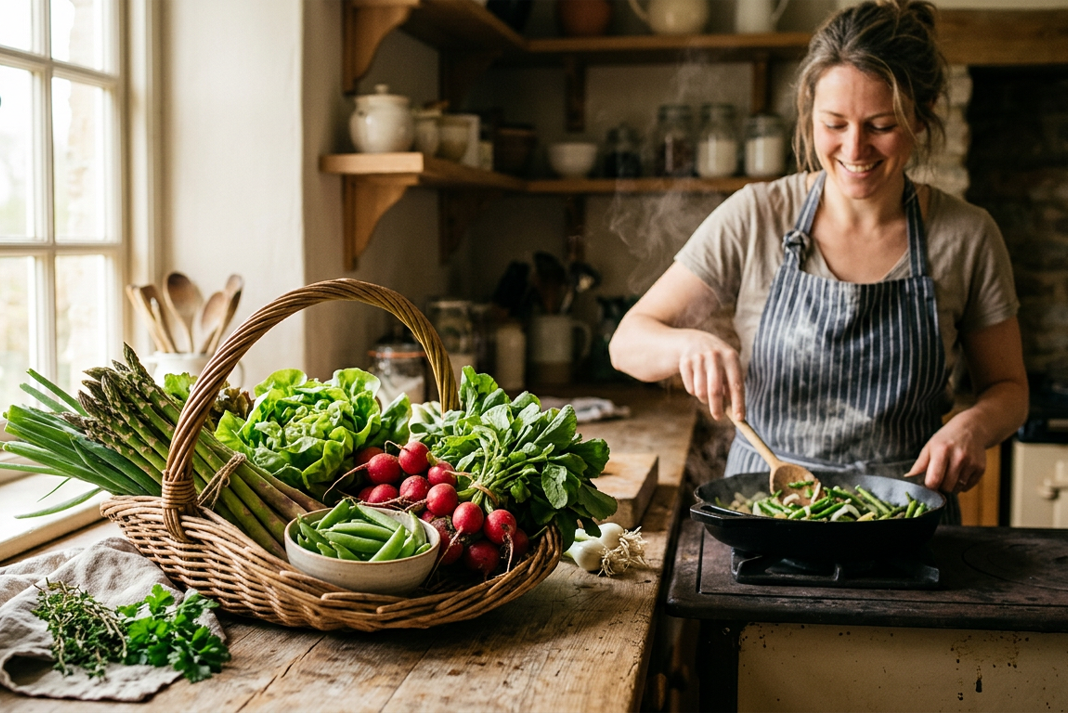
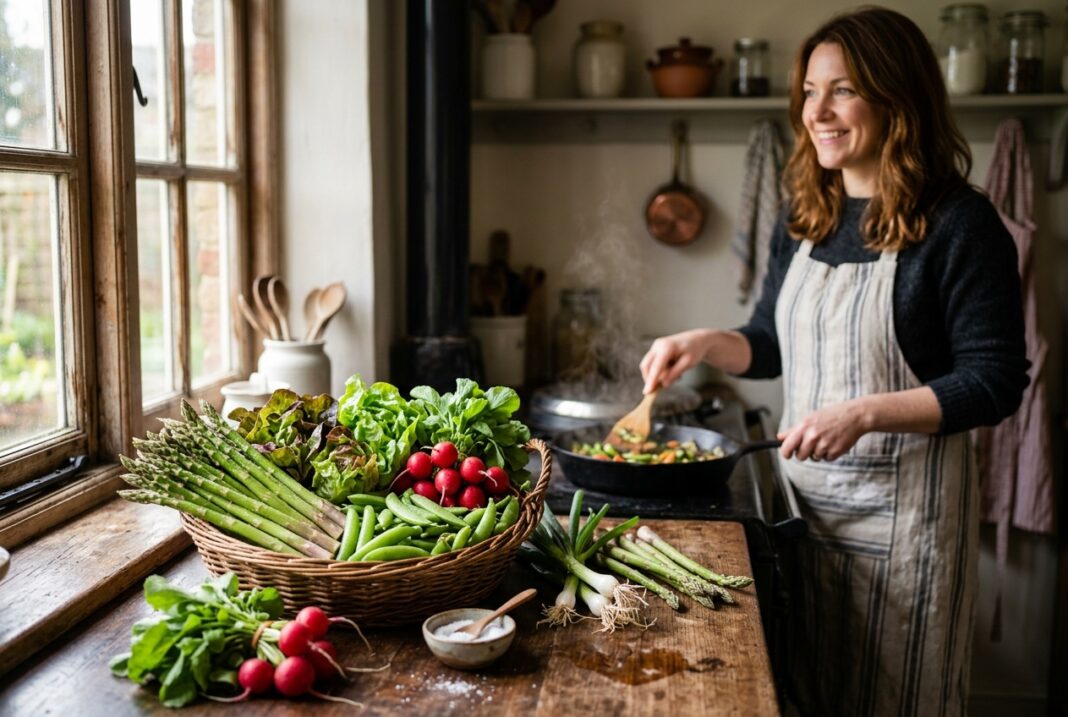
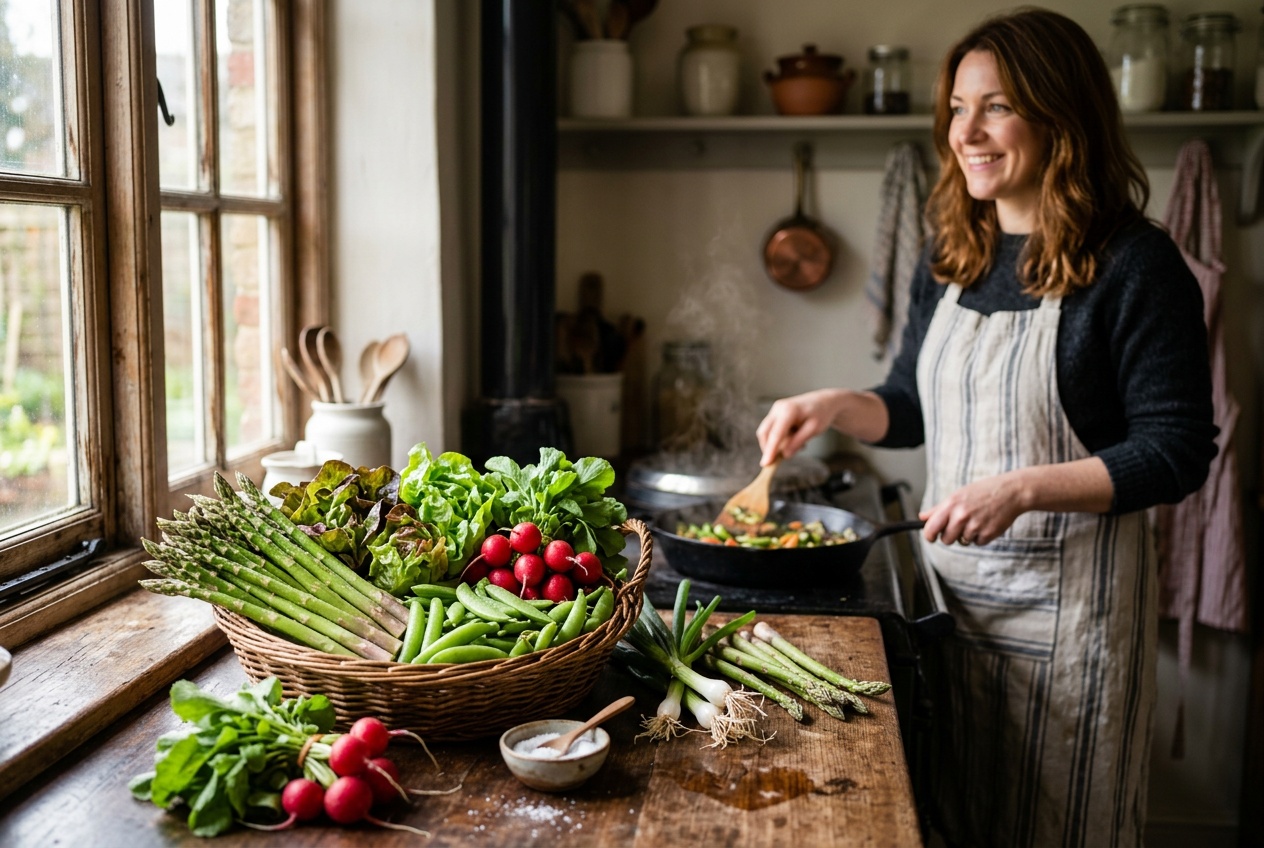
Fresh spring vegetables from your garden taste best when cooked using simple techniques that preserve their natural flavors and crisp textures. Light sautéing, quick steaming, and gentle roasting bring out the sweetness in tender spring produce, and cooking them quickly with minimal, gentle heat keeps their vibrant colors, nutrients, and delicate flavors intact.
Ingredients
- Fresh asparagus spears, woody ends snapped off
- Baby spinach, arugula, or other tender spring lettuce
- Baby radishes, halved
- Young spring turnips
- Small new potatoes
- Sugar snap peas or fresh shelled peas
- Olive oil
- Garlic, minced
- Salt and pepper
- Fresh lemon juice
- Fresh herbs (such as parsley, dill, or chives)
- Vegetable broth
- Butter
- Rice vinegar (for quick-pickling radishes)
Instructions
- Heat olive oil in a wide pan over medium-high heat, add asparagus spears, and sauté 3-4 minutes, turning occasionally, until bright green and tender-crisp. Season with salt, pepper, and a squeeze of fresh lemon juice.
- For tender spring greens, heat olive oil and garlic in a hot pan and sauté the greens for just 30-60 seconds, removing them from heat as soon as they begin to wilt but still hold some structure.
- For root vegetables, halve baby radishes and roast with olive oil and herbs in a 400°F oven for 15-20 minutes, or braise young turnips in vegetable broth for 10-12 minutes until fork-tender.
- Steam small new potatoes whole for about 15 minutes, then toss with butter and fresh herbs.
- For sugar snap peas or fresh peas, blanch in boiling water for 1-2 minutes, then transfer immediately to an ice bath to lock in their color and crunch, or stir-fry quickly over high heat for the same effect.
Cook’s Notes
Cook spring vegetables quickly using high heat and minimal cooking times so their delicate flavors and textures shine, and keep seasonings simple with olive oil, salt, pepper, and fresh herbs. Blanching followed by an ice bath is the best way to stop cooking and lock in vibrant color, and since sugars in fresh peas begin converting to starch soon after harvest, cooking them as soon as possible after picking preserves the most natural sweetness.
Ingredient Swaps
Root vegetables are flexible depending on your preferred method: try roasting halved baby radishes with olive oil and herbs for a caramelized flavor, braising young turnips in vegetable broth instead, or quick-pickling thinly sliced radishes in rice vinegar for a tangy side. Tender greens like baby spinach, arugula, or young lettuce can be used interchangeably in a quick sauté or stirred into soups at the last minute.
Serving Suggestions
These lightly cooked spring vegetables make a bright, simple side dish alongside roasted or grilled proteins, or can be tossed into grain bowls and pastas for a seasonal boost. A squeeze of fresh lemon and a sprinkle of herbs just before serving keeps their flavors lively.
Storage & Reheating
Spring vegetables are best enjoyed immediately after cooking, since their delicate texture and bright color fade quickly with reheating. If you do have leftovers, store them in an airtight container in the refrigerator for up to 2 days and reheat very briefly and gently, or enjoy cold in a salad.
Common Questions
What is the best way to prepare asparagus from a spring garden?
Snap off the woody ends where they naturally break, then sauté or steam the spears over high heat for 3-4 minutes until bright green and tender-crisp. Finish with salt, pepper, and a squeeze of fresh lemon juice for a simple, sweet result.
How do you cook tender greens like spinach and lettuce without overcooking them?
Sauté them briefly in a hot pan with garlic and olive oil for just 30-60 seconds, removing them from heat as soon as they begin to wilt. Cooking them too long can make them bitter and mushy, so less is more.
How long should sugar snap peas and fresh peas be cooked?
Sugar snap peas and fresh peas need only 1-2 minutes of cooking, either blanched and shocked in an ice bath or stir-fried quickly over high heat, to preserve their sweet crunch and bright color. Fresh peas can even be eaten raw if very young and tender.