How to Cook Fresh Spring Vegetables from Your Garden
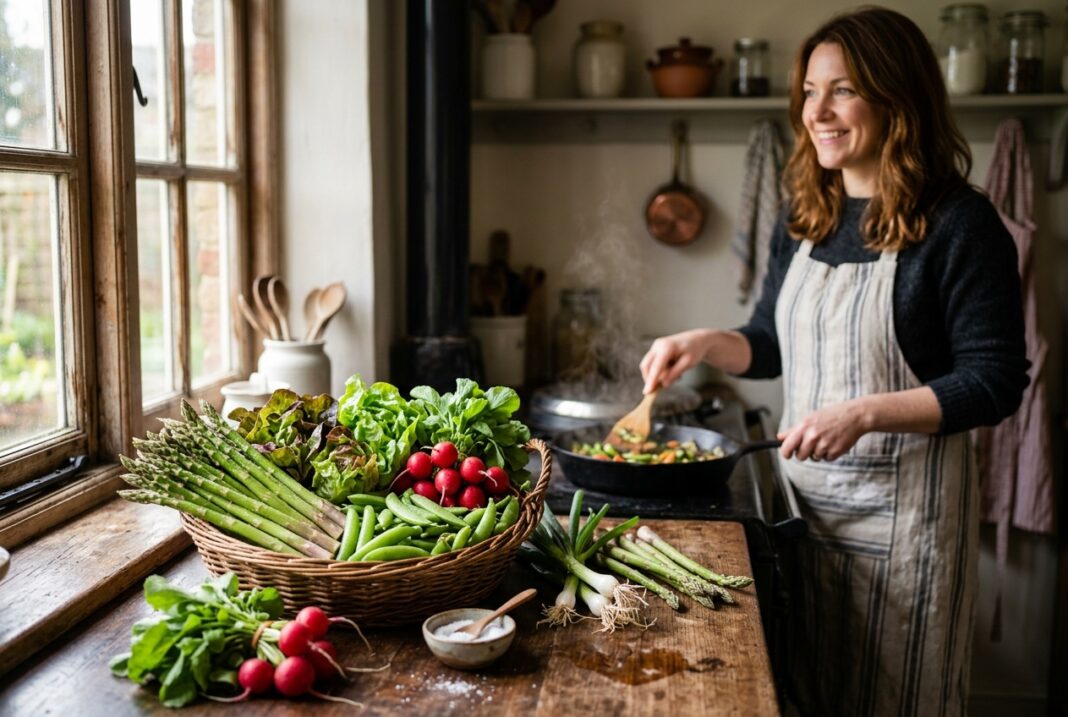
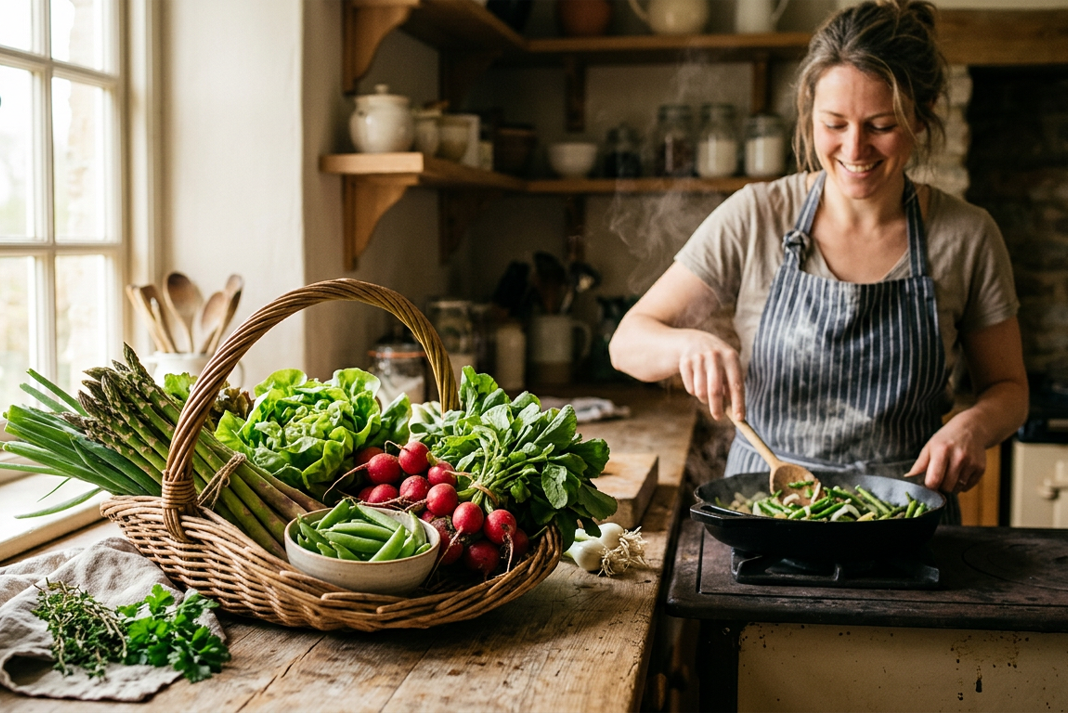
Fresh spring vegetables from your garden taste best when cooked using simple techniques that preserve their natural flavors and crisp textures. Light sautéing, quick steaming, and gentle roasting bring out the sweetness in tender spring produce, and cooking them soon after harvest with minimal fuss is the best way to celebrate the season’s harvest.
Ingredients
- Fresh asparagus spears, woody ends snapped off
- Tender spring greens (baby spinach, arugula, or lettuce)
- Baby radishes
- Young turnips
- Small new potatoes
- Sugar snap peas or fresh peas
- Olive oil
- Garlic
- Fresh lemon juice
- Butter
- Fresh herbs
- Rice vinegar
- Vegetable broth
- Salt and pepper
Instructions
- Snap off the woody ends of the asparagus where they naturally break, then heat olive oil in a wide pan over medium-high heat and sauté the spears 3-4 minutes, turning occasionally, until bright green and tender-crisp. Season with salt, pepper, and a squeeze of fresh lemon juice.
- For tender spring greens, sauté in a hot pan with garlic and olive oil for just 30-60 seconds, removing from heat as soon as they begin to wilt but still retain some structure.
- Halve baby radishes and roast in a 400°F oven with olive oil and herbs until sweet and mellow, about 15-20 minutes.
- Braise young turnips in vegetable broth for 10-12 minutes until fork-tender.
- Steam small new potatoes whole for about 15 minutes, then toss with butter and fresh herbs.
- For a tangy side, quick-pickle thinly sliced radishes in rice vinegar.
- For sugar snap peas or fresh peas, either blanch in boiling water for 1-2 minutes followed immediately by an ice bath, or stir-fry over high heat for 30-60 seconds to preserve their crisp texture and bright color.
Cook’s Notes
Cook spring vegetables quickly using high heat and minimal cooking time to preserve their delicate flavors, vibrant color, and nutrients. Fresh peas are especially delicate and are best cooked immediately after harvest, since their sugars begin converting to starch soon after picking, and briefly cooking greens also makes them easier to digest while retaining maximum nutrients.
Ingredient Swaps
Feel free to swap cooking methods to suit what’s on hand: roast, braise, or steam root vegetables like radishes, turnips, and new potatoes depending on preference, and use whatever tender greens you have, such as spinach, arugula, or lettuce, in place of one another. Sliced radishes can also be quick-pickled in rice vinegar as a tangy alternative to roasting.
Serving Suggestions
Toss roasted or steamed vegetables with butter and fresh herbs and serve warm as a simple side dish alongside your favorite spring mains. Quick-pickled radishes make a bright, tangy accompaniment to richer dishes.
Storage & Reheating
Spring vegetables are best enjoyed freshly cooked, as their delicate flavors and sugars begin to fade soon after harvest and cooking. For best results, harvest and cook produce like peas and greens as close to the same day as possible rather than storing for later.
Common Questions
What is the best way to prepare asparagus from your spring garden?
Snap off the woody ends where they naturally break, then sauté or steam the spears over high heat for just 3-4 minutes until bright green and tender-crisp. This quick method preserves their sweet, grassy flavor and prevents them from becoming mushy.
How should you cook tender spring greens like lettuce and spinach?
Spring greens need the gentlest approach since they wilt quickly and can turn bitter if overcooked. A 30-60 second sauté in a hot pan with garlic and olive oil is enough, and they should be removed from heat as soon as they begin to wilt.
How do you cook sugar snap peas and fresh spring peas properly?
Sugar snap peas and fresh peas only need 1-2 minutes of cooking to keep their sweet crunch and bright color. Blanching in boiling water followed by an ice bath stops the cooking instantly, or you can stir-fry them over high heat for just 30-60 seconds.